Simple answers to your questions on Hinduism are provided here.
Use the search button (top right on desktop, top left on smartphones) to find specific topics of interest. At the bottom of each answer, check the “Tags” section for related topics. To learn more about this Q&A project, click [here].

On Hinduism
You can also download an earlier collection: 300QAs on Hinduism (PDF). Thank you.
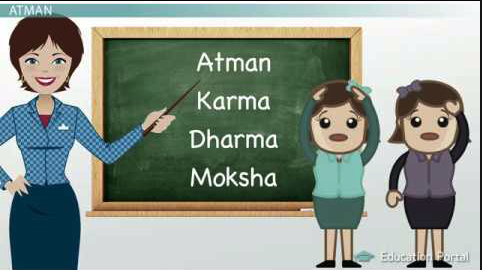
In Hinduism, women are considered equal in their pursuit of life’s goals: dharma, artha, kama, and moksha.
Hinduism acknowledges both masculine and feminine aspects of the divine, emphasizing the worship of the Divine in its feminine form. This recognition of the Divine as feminine, represented by Shakti, is a significant aspect of Hinduism.
However, despite these spiritual ideals, social practices have often deviated from the principles of gender equality as seen in ancient Vedic times. Like many cultures, Hindu societies have faced social inequalities that are being addressed over time.
Throughout history, there have been voices advocating against discrimination and misogyny within Hinduism. Women such as Mirabai and Akka Mahadevi are revered as spiritual leaders from past centuries. In contemporary Hindu movements, female leaders like Sharda Devi, Ammachi, Shree Maa, and others advocate for seeing the divine in all individuals, promoting equality and respect for all.
Other reading material: Short answers to real questions about Hinduism
HAF: https://www.hinduamerican.org/hinduism-short-answers-real-questions#Women
Video: An answer in a classroom,
Contributor: Rajeev Singh
Location of this post (24a): https://www.hinduspeakers.org/ufaqs/what-is-the-status-of-women-in-the-practice-of-hinduism/
Category:
24. Women in Hinduism